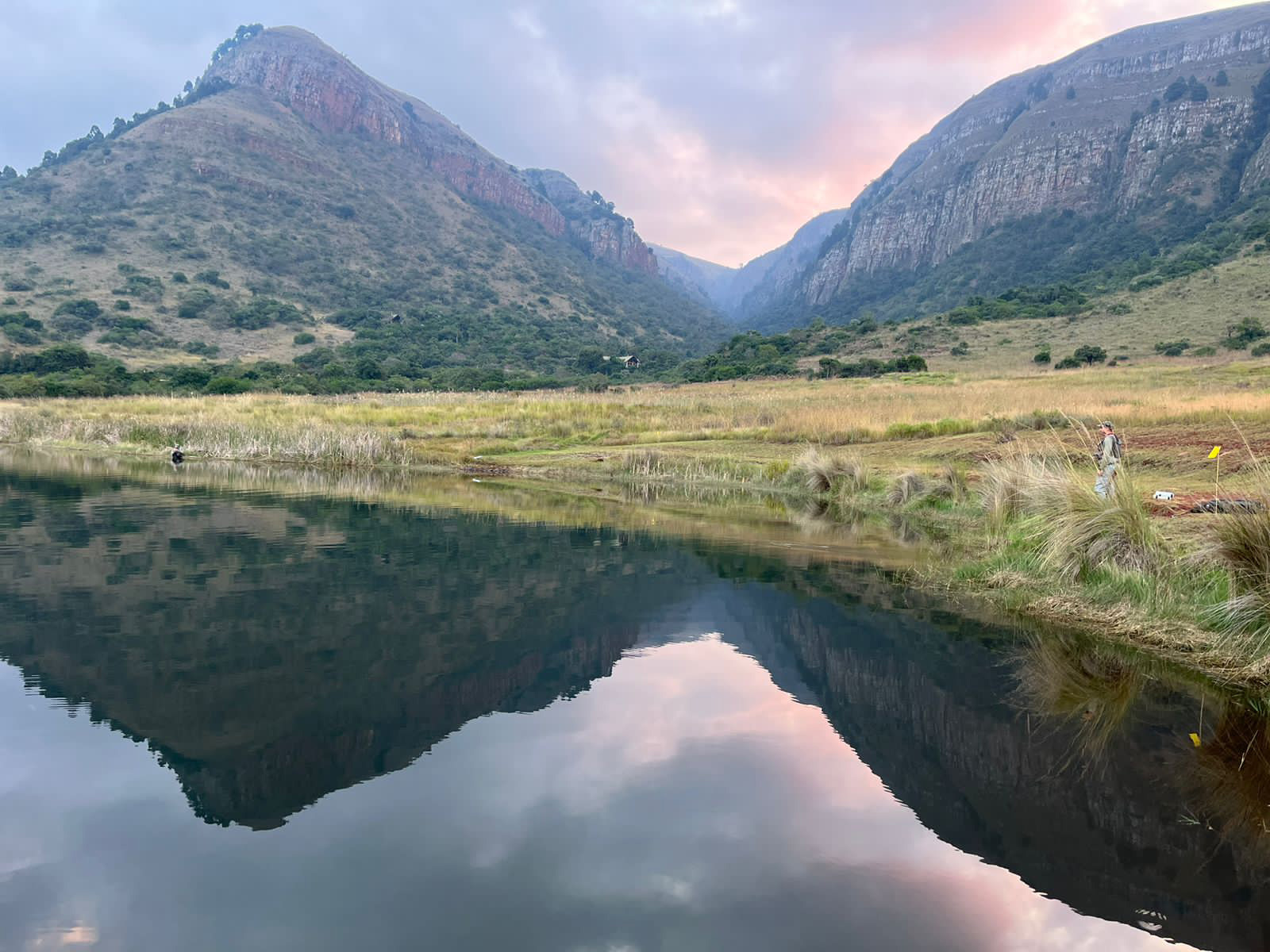
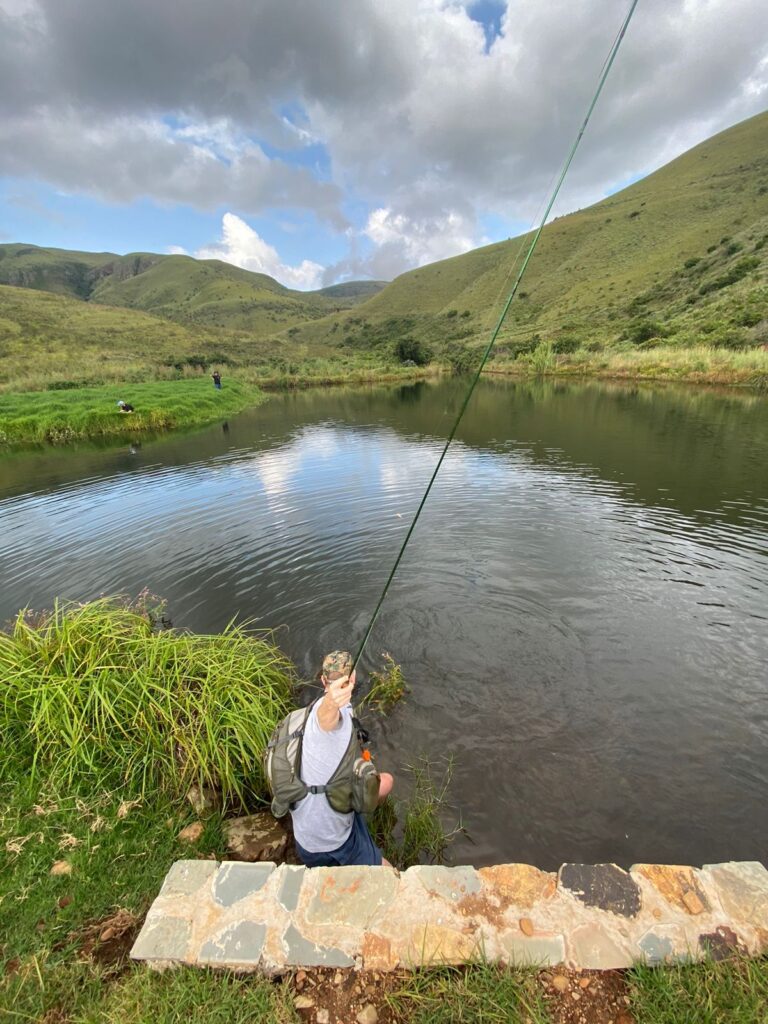
When it comes to still water fly fishing, the choice of line is as crucial as the selection of the fly itself. The serene waters of lakes and ponds present unique challenges and opportunities for anglers. Understanding the behavior of fish in still water and how to effectively present flies to them can make all the difference in your fishing success. This month, we delve into the world of fly lines, offering insights into the best options for mastering still water environments.
The Significance of Line Choice in Still Water Fly Fishing
In the tranquil waters of lakes and ponds, where the water’s surface often remains undisturbed, the right fly line can enhance your ability to present flies naturally, manage your retrieves effectively, and adjust to varying depths where fish may be feeding. Unlike the moving waters of rivers and streams, still waters require a more nuanced approach, with careful consideration given to how your line can impact your fly’s presentation and movement.
Top Fly Line Recommendations for Still Water Fishing
- Floating Lines: A high-quality floating line is indispensable for still water fishing. It’s ideal for fishing dry flies, nymphs, and emergers right at or near the surface. Look for lines with a smooth coating for easy casting and a supple design that minimizes memory, ensuring a straight line lay on the water.
- Sinking Lines: For reaching fish that are feeding at deeper levels, a sinking line is a must-have. Sinking lines come in various sink rates, from slow sinking (ideal for shallow waters) to fast sinking (for deep lakes). Consider a line with a sink rate that matches the typical depth of the waters you fish most often.
- Sink Tip Lines: Offering the best of both worlds, sink tip lines feature a floating main line with a sinking tip. This design allows for fishing flies just below the surface while maintaining easy line management and casting. It’s particularly effective for fishing streamers and wet flies in varying depths.
- Intermediate Lines: With a slow sink rate, intermediate lines are perfect for fishing flies just below the surface, where many fish feed in still waters. They provide a stealthier presentation than floating lines, making them ideal for wary or pressured fish.
Features to Consider
- Line Taper: The taper of your line affects casting performance and fly presentation. For still water fishing, look for a taper that offers good casting distance and precision.
- Line Coating: A line’s coating affects its performance in different temperatures. Look for coatings that perform well in the conditions you typically fish in, offering both durability and flexibility.
- Visibility: Consider the color of your line based on the fishing conditions. High-visibility lines are great for tracking your line on the water, while more subdued colors can be better for wary fish.
Enhancing Your Still Water Experience
Choosing the right fly line for still water fishing not only increases your chances of success but also enhances your overall fishing experience. By matching your line to the conditions, the depth at which fish are feeding, and the type of flies you’re using, you can approach still water environments with confidence and skill.
Whether you’re casting to the edge of a weed bed with a floating line or exploring the depths with a sinking line, remember that the right gear can make all the difference. Invest in quality lines that suit your fishing style and the waters you love, and you’ll find yourself well on the way to mastering the art of still water fly fishing.